Katja Wolf · 2 October 2026
Adapting Local Economies to Waterfront Renewal Initiatives in Historic Harbor Towns
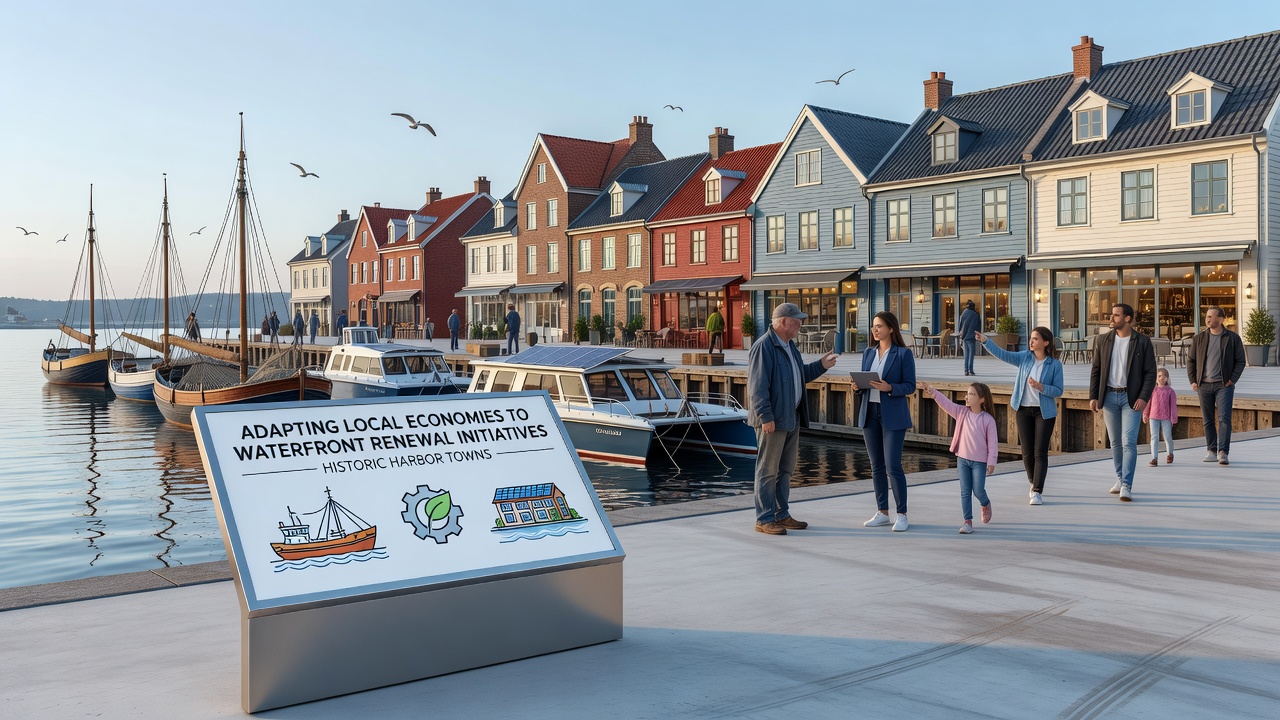
Historic harbor towns have long relied on maritime trade, fishing fleets, and port activities as core economic drivers, yet many now face pressures from aging infrastructure, shifting climate patterns, and changing global shipping routes. Waterfront renewal initiatives seek to address these issues through targeted investments in public spaces, flood defenses, and mixed-use developments that preserve architectural heritage while opening pathways for new revenue streams. Data from coastal management programs show that such projects often combine habitat restoration with commercial revitalization, creating conditions where local businesses can transition without complete displacement of established industries.
Patterns of Economic Transition in Coastal Communities
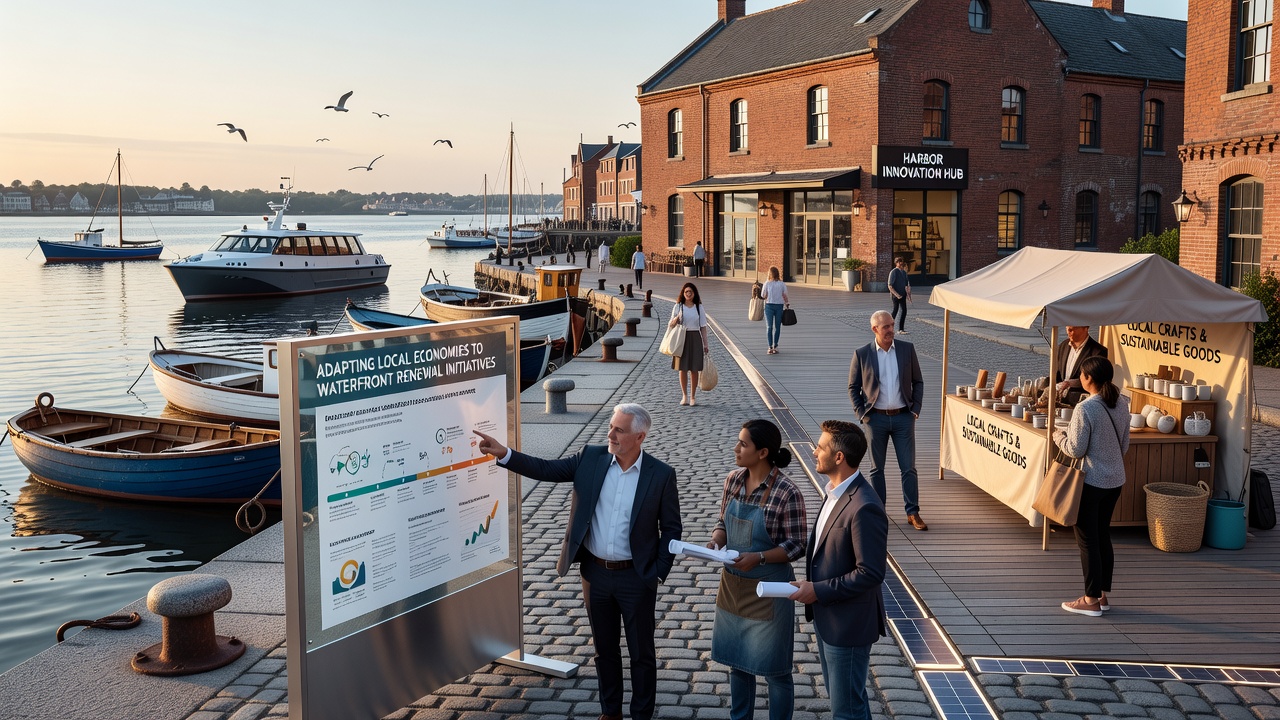
Observers note that harbor towns typically move away from single-industry dependence once renewal projects introduce pedestrian promenades, retail zones, and small-scale manufacturing spaces. Studies tracking employment shifts in similar settings reveal increases in hospitality, marine technology services, and artisanal food production alongside declines in traditional cargo handling. Researchers at institutions monitoring estuarine economies have documented cases where former warehouse districts now host startup incubators focused on sustainable aquaculture and offshore wind support services, with employment data indicating steady absorption of workers from legacy sectors into these emerging fields.
Local governments frequently partner with regional port authorities to fund dredging, pier upgrades, and utility modernizations that support both tourism vessels and research ships. Figures from the U.S. Environmental Protection Agency highlight how coordinated infrastructure spending in estuarine zones correlates with measurable rises in property values and visitor spending within five to seven years of project completion. Yet these gains depend on zoning adjustments that allow live-work units and seasonal markets without eroding the historic fabric that draws outsiders in the first place.
Role of Seasonal Events and Knowledge Exchange
Communities have begun scheduling specialized gatherings that align with broader industry calendars, including a planned international harbor resilience summit set for October 2026. These events bring together port operators, urban planners, and small business owners to review case studies from comparable towns across multiple continents. Participants examine metrics on job retention rates, visitor footfall, and tax revenue changes following renewal work, which helps refine local strategies before large capital outlays occur.
One documented example involves a European port community that integrated floating markets and educational boat tours into its waterfront plan, resulting in diversified income sources tracked through municipal economic reports. Similar approaches appear in North American settings where former naval yards now accommodate clean-tech testing facilities, supported by grants tied to environmental compliance standards.
Integration of Environmental Data and Infrastructure Planning
Coastal adaptation efforts increasingly draw on sediment monitoring and sea-level projections supplied by agencies such as NOAA. These datasets guide decisions on elevating boardwalks, reinforcing bulkheads, and designating setback zones that protect both commercial operations and residential neighborhoods. Towns that incorporate such information early report fewer interruptions to business activity during storm seasons, according to summaries prepared by regional planning commissions.
Workforce training programs tied to renewal projects focus on skills in marine engineering, digital mapping, and eco-tourism management. Enrollment records from community colleges near active harbor sites show rising participation from long-term residents, many of whom previously worked in declining fisheries or freight sectors. This retraining occurs alongside incentives for property owners to retrofit buildings for energy efficiency, a step that reduces operating costs and qualifies structures for heritage grants.
Measuring Outcomes Across Different Regions
Comparative analyses from sources including the Australian Department of Climate Change, Energy, the Environment and Water track how harbor renewal influences local GDP contributions from tourism versus traditional port functions. Reports indicate that towns maintaining active small-vessel repair yards alongside new leisure facilities achieve more stable year-round employment than those shifting entirely toward visitor economies. These findings emerge from longitudinal surveys that capture both direct spending and indirect supply-chain effects.
Canadian federal waterfront programs similarly emphasize collaborative governance models where indigenous groups, municipal councils, and private developers negotiate land-use priorities. Resulting master plans often allocate space for seasonal festivals, research piers, and light manufacturing, creating layered economic activity that buffers against single-sector downturns. Metrics collected after implementation show gradual increases in business license applications and reductions in vacancy rates along renewed waterfront corridors.
Conclusion
Historic harbor towns continue to refine their approaches to waterfront renewal by blending heritage preservation with infrastructure upgrades that support diversified employment. Evidence from multiple regions demonstrates that successful adaptation hinges on coordinated planning, access to environmental data, and training pathways that connect existing residents to new opportunities. As projects advance through 2026 and beyond, ongoing measurement of employment, revenue, and environmental indicators will shape further refinements in these coastal economies.